Indonesia
Jakarta | May 2026
IDR 22,103 (USD 1.28, EUR 1.10).
This is based on Indonesia's latest published poverty line for urban areas.
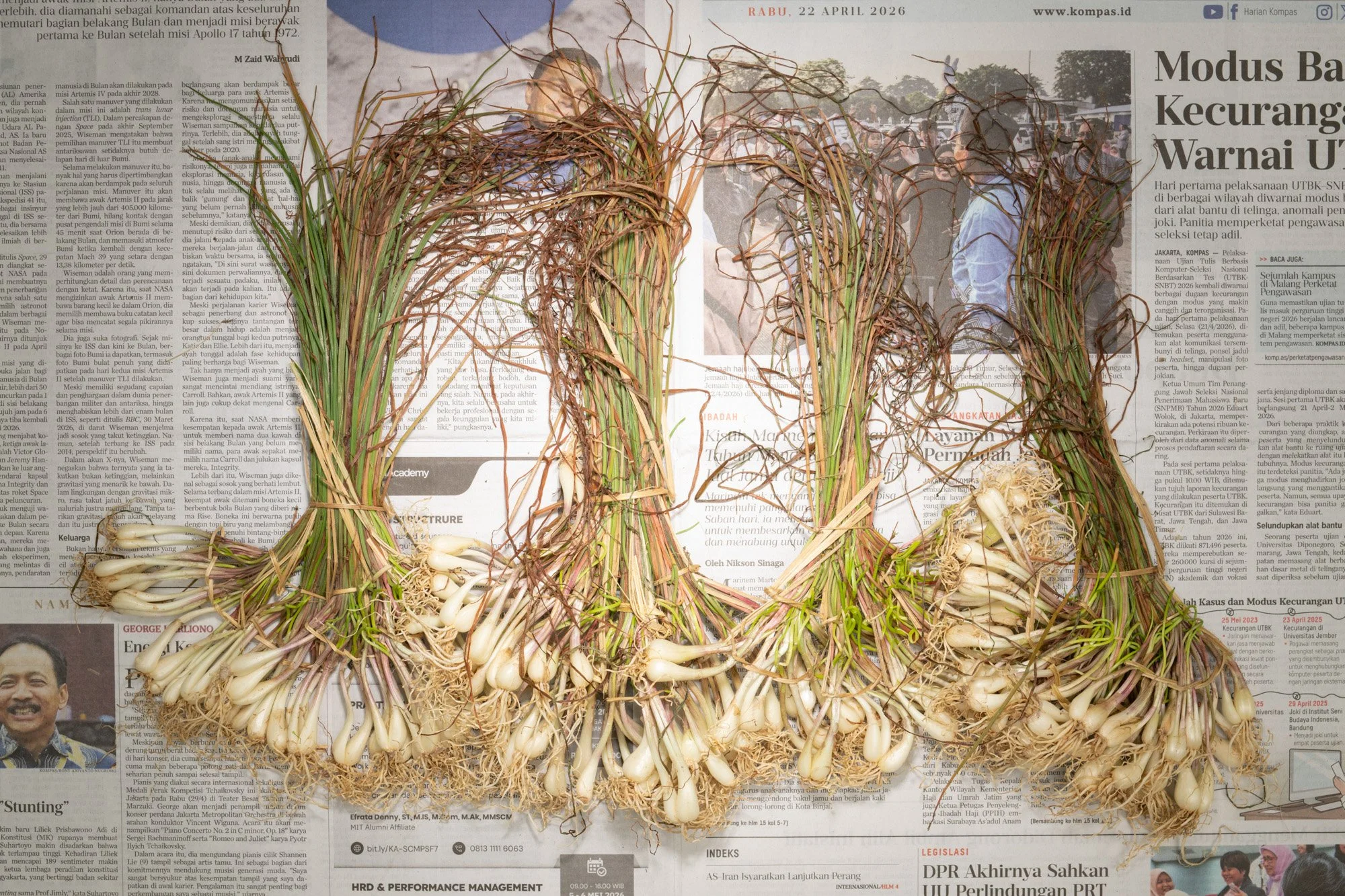

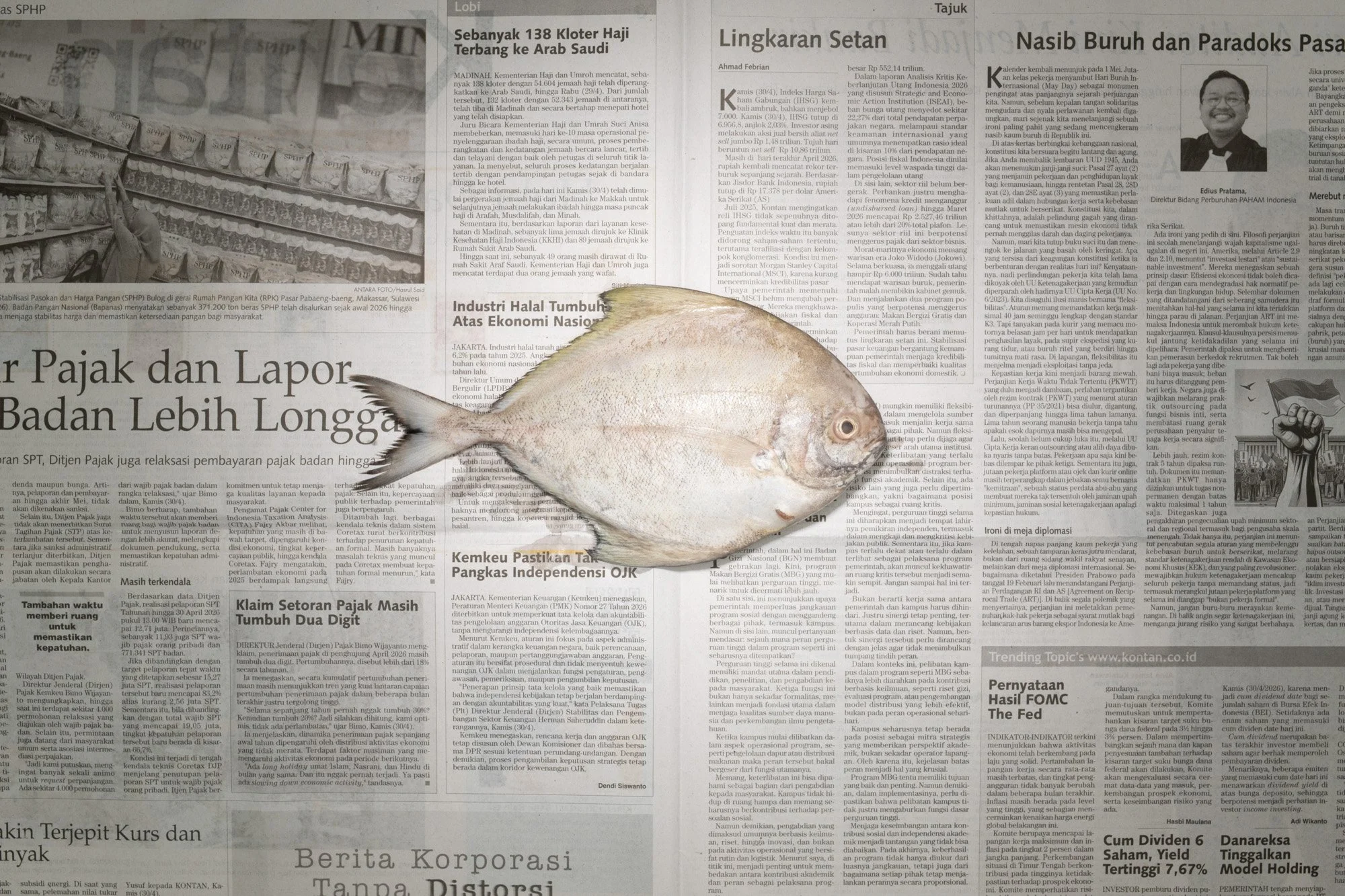
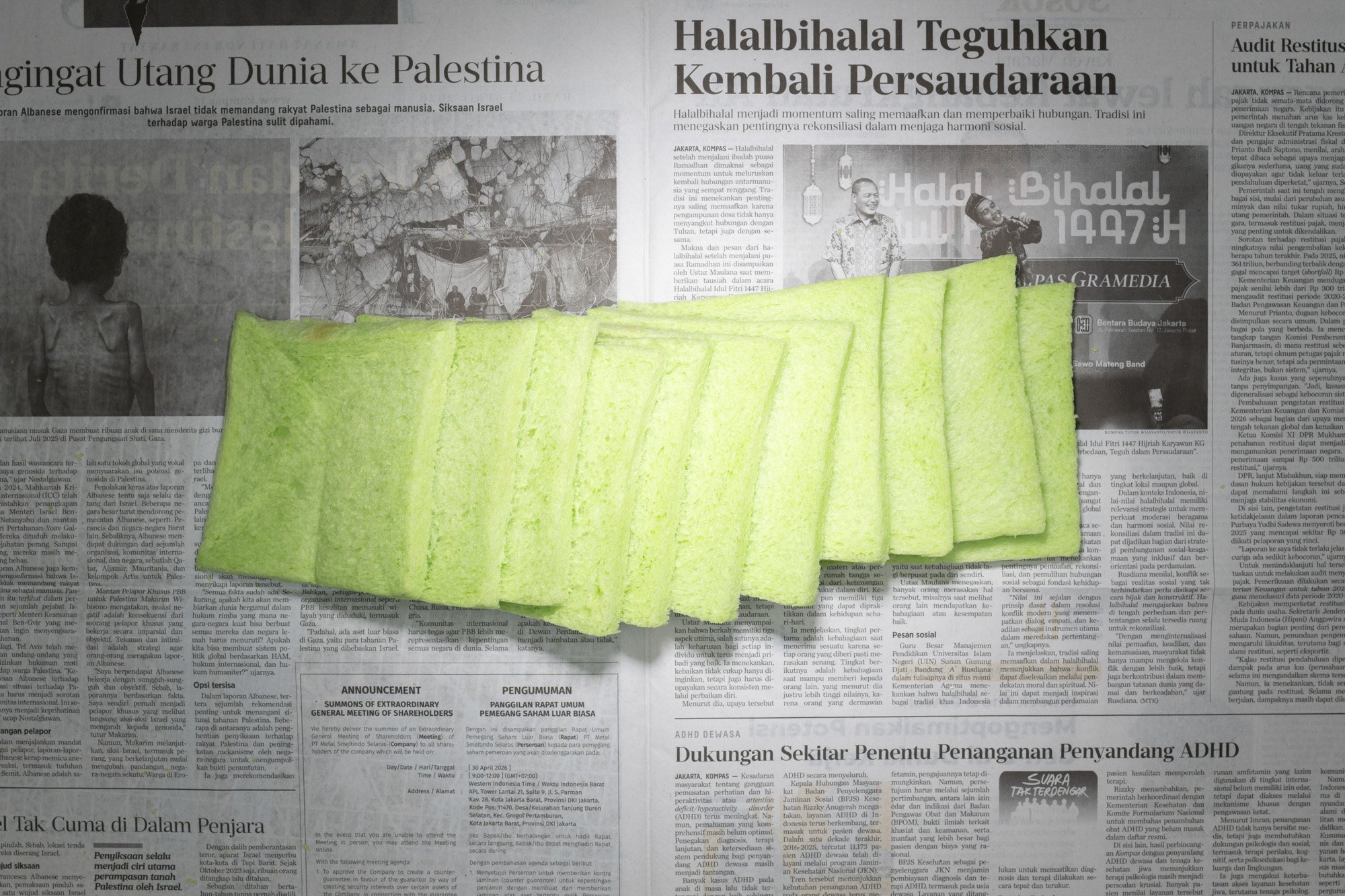
Indonesia uses the cost of basic needs approach, looking at the minimum costs for households to meet needs pertaining to food (2,100 kilo calories per person per day) and non-food (including housing, education, healthcare). Poverty statistics are under the central statistics bureau BPS-Statistics Indonesia, which collects household expenditure and consumption data twice annually through the National Socio-Economic survey (Susenas). Poverty lines are calculated for urban and rural segments, and at province and national levels.
The poverty incidence was 6.34% (22.93 million people) in March 2026, with higher incidence in rural areas (10.67%) than urban areas (8.07%). 52% of Indonesia’s poor live in the Java region. In May 2026, the government announced targets to reduce the country’s poverty rate to 6.0-6.5% by 2027, and to lower the Gini ratio be between 0.362 and 0.367, while growing the economy by 6.0%.
Note: Latest available standards and exchange rates were taken as of May 2026, when the photography was undertaken.
Understanding More
Percentage of Poor Population (P0) by Province and Area (Percent), 2026
Nearly 23 Million Indonesians Remain Poor
The Prakarsa: BPS's Poverty Line Calculation Method Needs to be Revised