Philippines
Manila | June 2026
PHP 103 (USD 1.68, EUR 1.46).
This is based on annual per capita poverty threshold for NCR (Metro Manila).
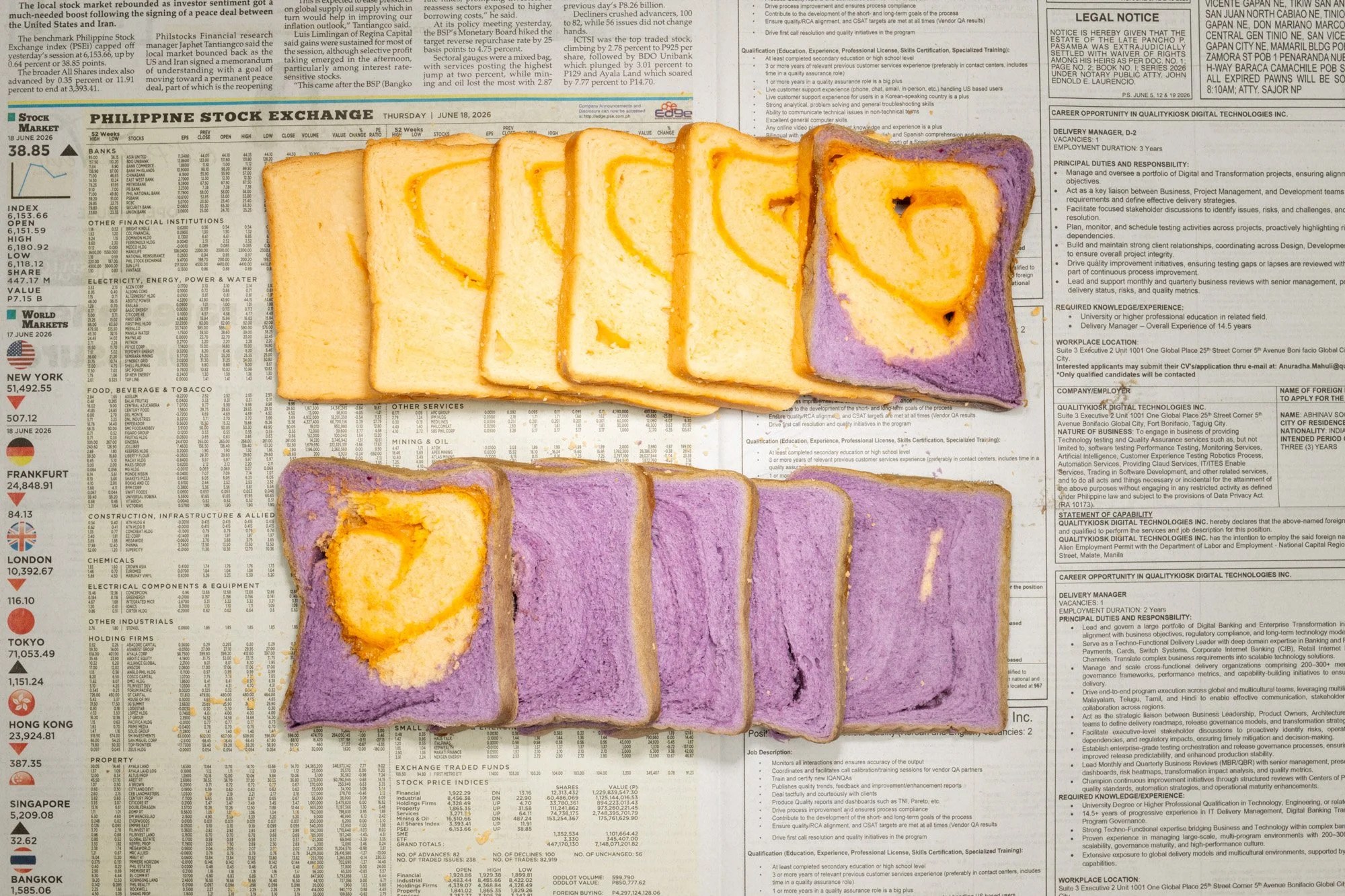
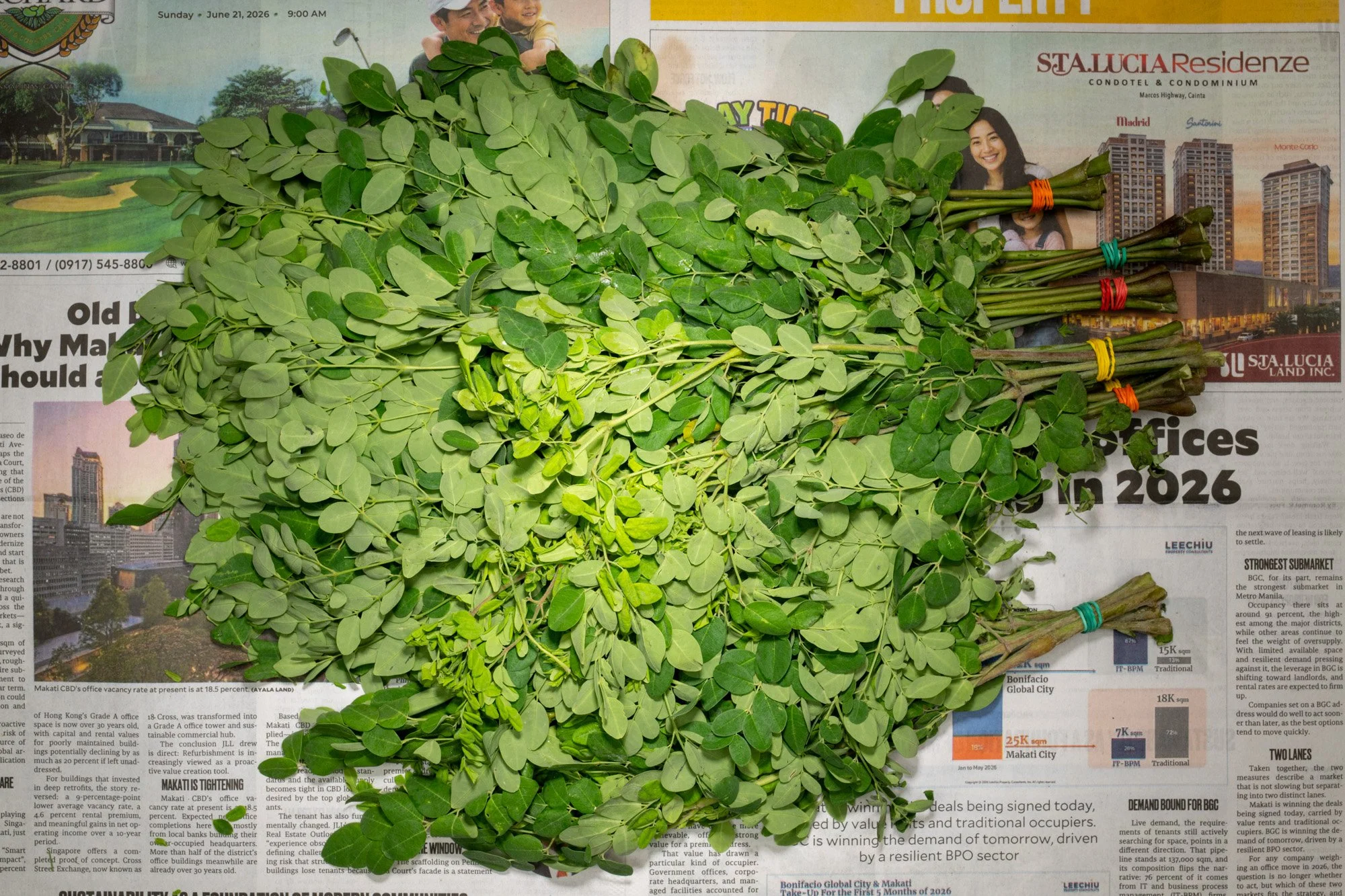

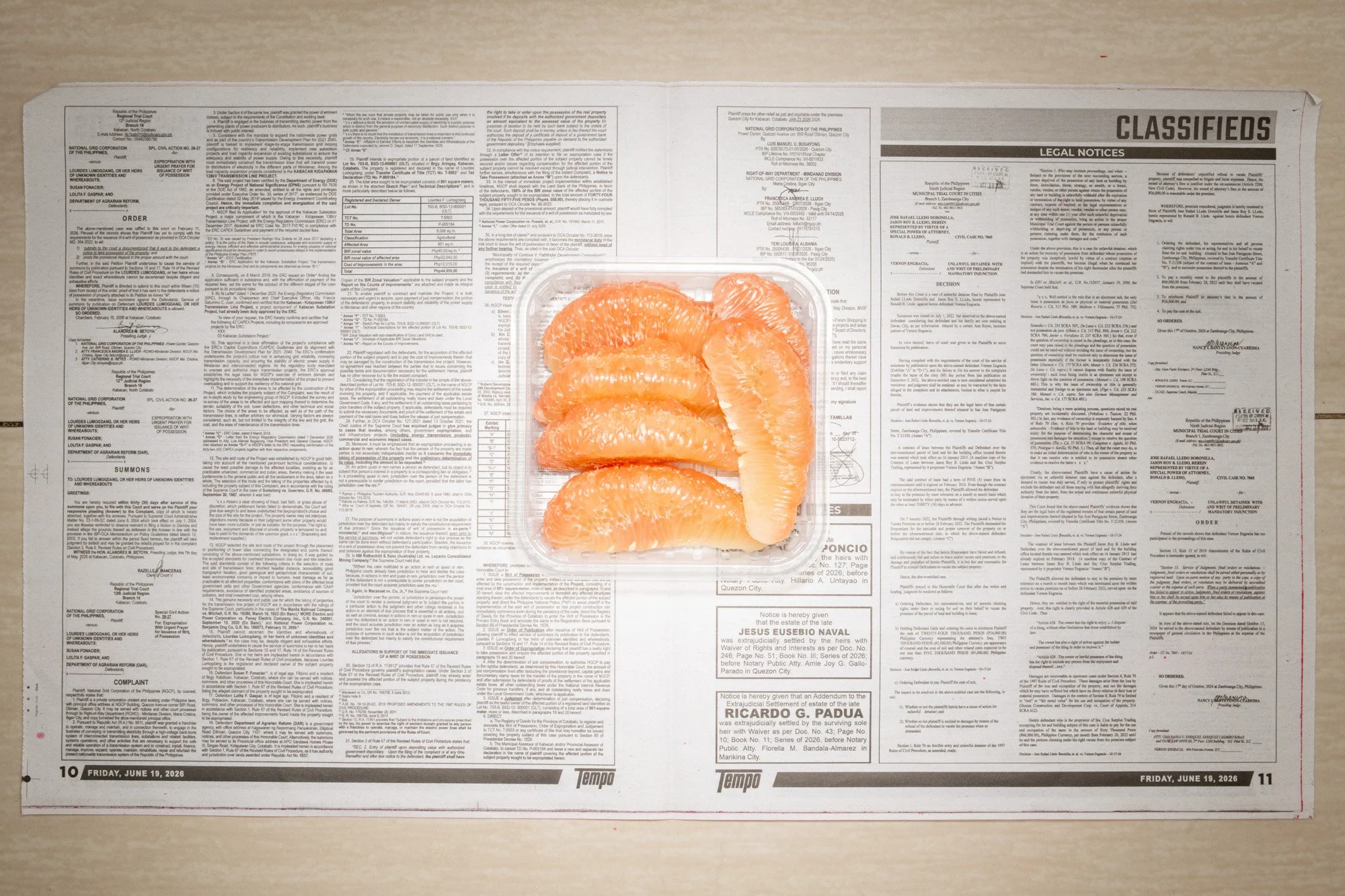
Philippines’ poverty thresholds are based on the minimum income level required to meet basic food and non-food requirements. Basic food requirements are calculated to fulfil 2,000 kilocalories per person and protein needs, and 80% adequacy for other nutrients. Poverty data are under the purview of the Philippine Statistics Authority (PSA), which releases income-based poverty estimates as well as Multidimensional Poverty Index statistics.
Poverty incidence based on poverty thresholds in 2023 was 15.5%, or 17.54 million people. The poverty rate among families was highest in the Zamboanga Peninsula, Bangsamoro Autonomous Region and Negros Island Region. Multidimensional poverty parameters cover education, health and nutrition, housing, water and sanitation, and employment aspects; 12.8% of households were multidimensionally poor in 2024. Out of the multidimensional indicators, the most prevalent form of deprivation was in housing materials, followed by internet access, sanitation, ownership of assets, educational attainment, food insecurity, and access to public transportation. The government is also looking into factors of risk for near-poor households to fall into or remaining in poverty due to employment, health and climate related shocks, as occurred during the Covid-19 pandemic.
Note: Latest available standards and exchange rates were taken as of June 2026, when the photography was undertaken.
Understanding More
Official Statistics of The Philippines – 2023 Full Year
12.8% of Filipinos are Multidimensionally Poor in 2024
PIDS: Despite PH economic gains, millions still vulnerable to poverty
PBBM admin spells out measures to combat poverty following World Bank assessment